

How Long Do Wireless Earbuds Last? The Answer Most Buyers Are Looking For
When people buy wireless earbuds, they usually think about sound quality, battery life, comfort, and price.
Very few people stop and ask another important question:
“How long will these earbuds actually last?”
It’s easy to assume that a good pair of earbuds will keep working for years without any problems. After all, they’re small devices. How much can really go wrong?
The reality is a little different.
Wireless earbuds are one of the most convenient gadgets we use every day, but they also have a limited lifespan. Sooner or later, every pair starts showing signs of age. The battery doesn’t last as long. One earbud begins draining faster than the other. Charging takes longer. Sometimes connection issues start appearing.
If you’re planning to buy earbuds or you’re wondering whether your current pair is getting old, this guide will help you understand what to expect and how to make them last as long as possible.
The Honest Answer: Most Wireless Earbuds Last 2 to 4 Years
Let’s start with the answer most people came here for.
A good pair of wireless earbuds will usually last between 2 and 4 years.
Some budget earbuds may struggle before that. Some premium models can keep going for five years or even longer.
The difference often comes down to:
- Build quality
- Battery quality
- How often you use them
- How well you take care of them
Think about your smartphone.
After a few years, the phone still works, but the battery doesn’t feel as strong as it did when it was new.
Wireless earbuds go through the same process.
The Battery Is Usually the First Thing to Age
Here’s something many people don’t realize.
Most earbuds don’t stop working because the speakers fail.
The battery is usually the first thing that starts causing problems.
At the beginning, your earbuds might last 6, 7, or even 8 hours on a charge.
After a couple of years, you may notice they’re lasting only half as long.
The sound quality might still be fine.
The Bluetooth connection may still work perfectly.
But the battery simply can’t hold as much power as it once could.
That’s normal.
Every rechargeable battery ages over time.
Why Does One Earbud Always Die First?
This is one of the most common complaints among earbud users.
You’ve probably experienced it yourself.
One earbud suddenly drops to 10%, while the other still has plenty of battery left.
Why does this happen?
In many cases, one earbud works harder than the other.
For example:
- One earbud may handle the microphone more often.
- One earbud may connect to the phone first.
- Battery wear may not happen evenly.
As earbuds get older, these small differences become more noticeable.
It doesn’t always mean your earbuds are broken. It often means the batteries are simply aging.
Can Wireless Earbuds Last 5 Years?
Yes, they can.
But there is a difference between earbuds that are still working and earbuds that feel brand new.
A five-year-old pair of earbuds may still connect to your phone and play music.
However, the battery life is unlikely to be the same as it was during the first year.
Many people replace earbuds because the battery becomes frustrating, not because the earbuds stop working completely.
If your goal is getting five years from a pair of earbuds, choosing a trusted brand usually helps.
The Habits That Shorten Earbud Lifespan
Many people accidentally reduce the life of their earbuds without realizing it.
Leaving Them in a Hot Car
Heat is one of the biggest enemies of battery health.
A pair of earbuds left inside a hot car can experience battery stress much faster than earbuds stored at normal temperatures.
Dropping Them Regularly
Wireless earbuds are small and lightweight.
Because of that, they get dropped more often than most gadgets.
One drop may not matter.
Repeated drops can eventually affect internal components.
Ignoring Cleaning
Earwax and dust can build up over time.
Besides affecting sound quality, they can also interfere with charging contacts.
Using Cheap Charging Accessories
Poor-quality charging equipment can sometimes create charging problems that affect long-term performance.
How Do You Know It’s Time to Replace Your Earbuds?
Most earbuds don’t suddenly stop working overnight.
Usually, they give warning signs.
The Battery Doesn’t Last Long Anymore
You charge them fully and they still run out of power surprisingly quickly.
One Earbud Constantly Dies First
A common sign of battery aging.
Charging Becomes Unreliable
You place them in the case but they don’t always charge properly.
Sound Quality Changes
Crackling sounds, lower volume, or distorted audio can indicate wear.
Bluetooth Problems Become Frequent
If pairing issues and random disconnections become common, the earbuds may be reaching the end of their lifespan.
Should You Always Keep Earbuds in Their Case?
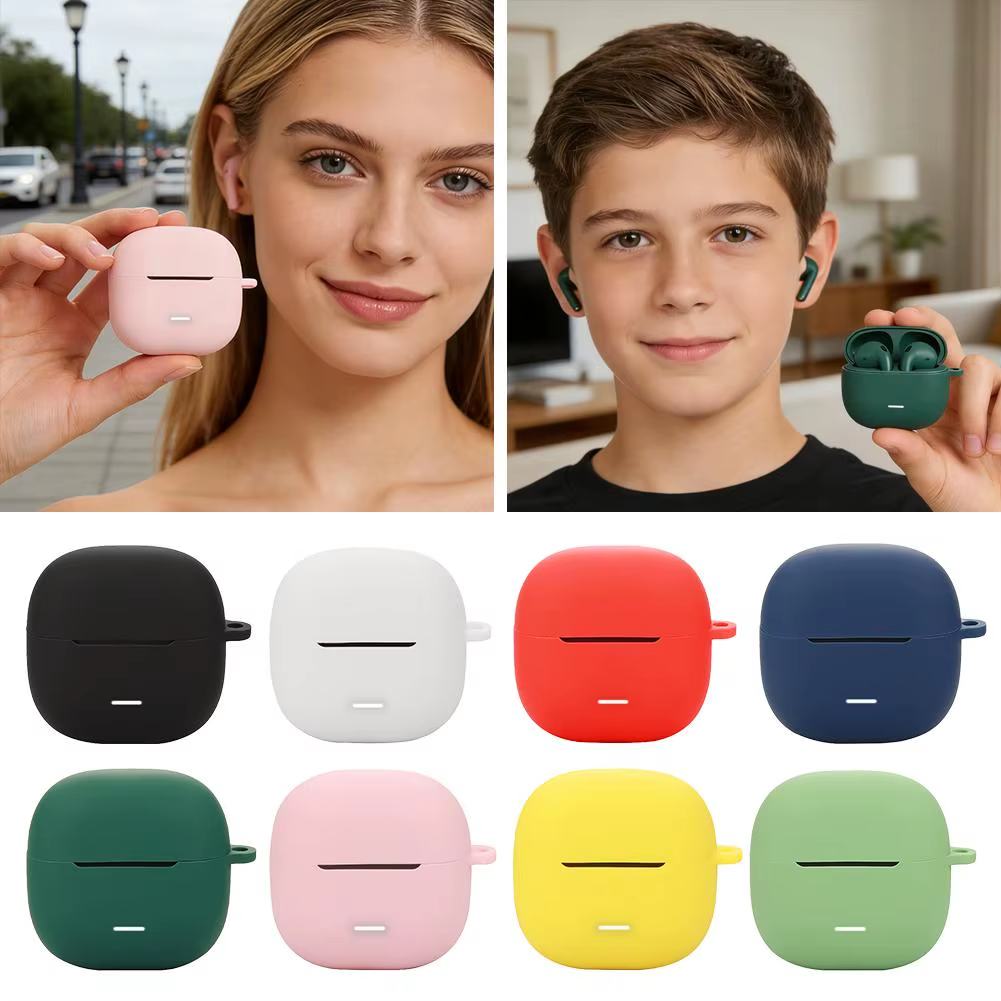
In most situations, yes.
The charging case does much more than recharge the earbuds.
It protects them from:
- Dust
- Dirt
- Accidental damage
- Getting lost
Many people throw earbuds into a pocket, backpack, or drawer and then wonder why they stop working properly later.
Using the case is one of the simplest ways to protect your investment.
Is It Safe to Wear Wireless Earbuds All Day?
For most people, yes.
The earbuds themselves are generally not the issue.
The real concern is listening volume.
Listening to loud audio for long periods can affect your hearing over time.
This is why many hearing experts recommend following the 60-60 rule.
What Is the 60-60 Rule?
The rule is simple:
- Listen at no more than 60% volume.
- For no more than 60 minutes at a time.
After that, take a short break.
It’s a simple habit that can help protect your hearing over the long term.
Can People with Pacemakers Use Wireless Earbuds?
In most cases, yes.
Modern wireless earbuds use Bluetooth technology and most modern pacemakers are designed to function safely around everyday wireless devices.
However, anyone with a pacemaker should follow their doctor’s advice and any guidance provided by the pacemaker manufacturer.
When in doubt, consult a healthcare professional.
What Brand of Earbuds Last the Longest?
There isn’t one perfect brand for everyone.
However, brands with a strong reputation for quality often perform better over the long term.
Popular choices include:
- Apple AirPods
- Samsung Galaxy Buds
- Sony
- JBL
- Anker Soundcore
- Redmi
- Oraimo
More expensive earbuds don’t last forever, but they often use better batteries and materials.
The Biggest Mistake Most Buyers Make
Many people think expensive earbuds are impossible to wear out.
That’s not true.
Even premium earbuds contain rechargeable batteries.
Over time, those batteries age.
Instead of asking, “Will these earbuds last forever?” a better question is:
“Will these earbuds give me good value for the next few years?”
That’s a much more realistic expectation.
Final Thoughts
Wireless earbuds are one of those gadgets we use so often that we forget they’re working hard every day.
They travel with us. They help us during workouts. They keep us entertained during long commutes. Some people use them for hours every single day.
Because of that, wear and tear is normal.
For most users, a quality pair of wireless earbuds will provide between two and four years of reliable performance. Some will last even longer with proper care.
Keep them clean. Store them in the charging case. Avoid excessive heat. Use quality charging accessories.
These simple habits won’t make your earbuds last forever, but they can help you get the maximum value from them.
And that’s what most buyers really want.


